Our Story
The Canang Problem No One Was Solving
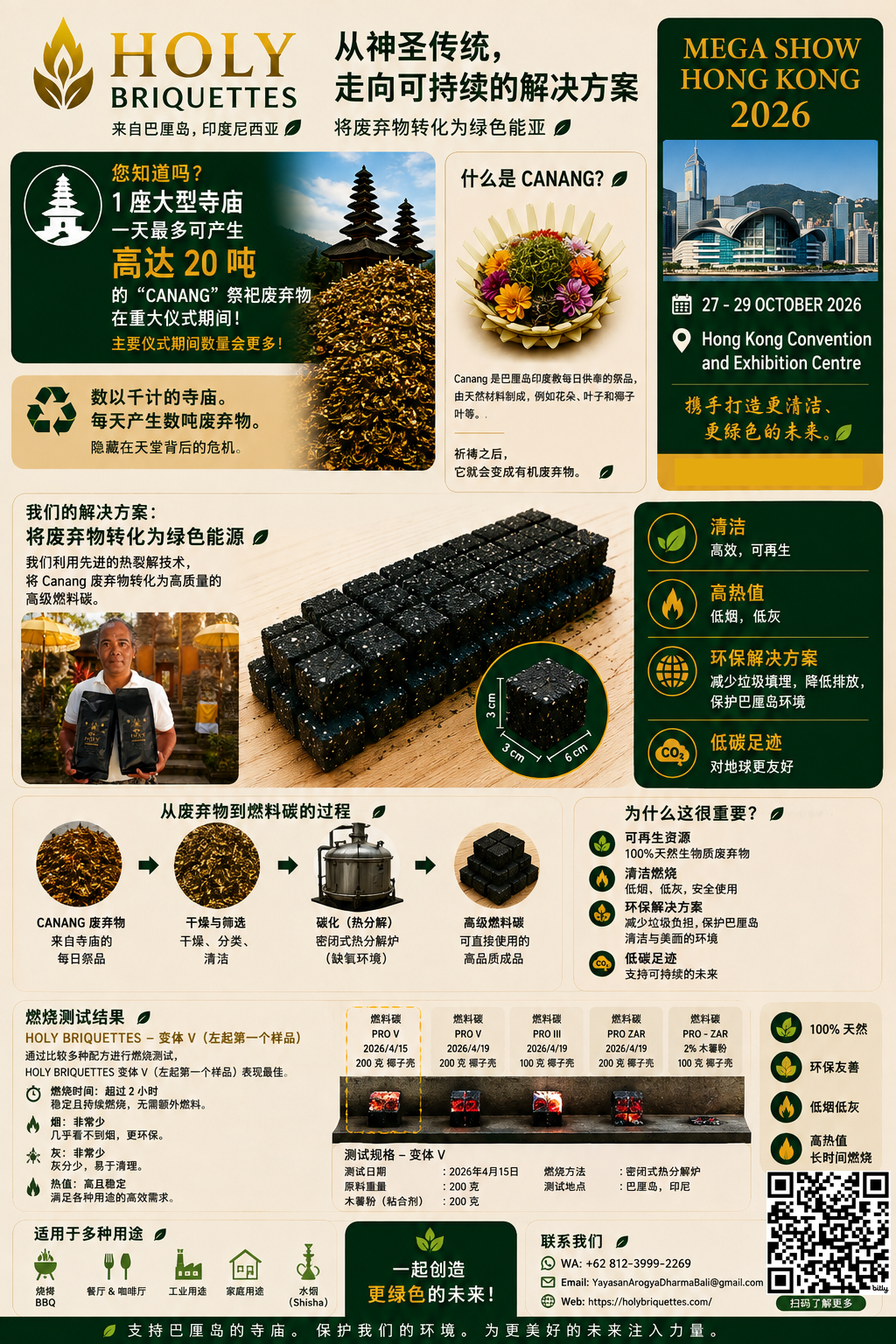
“A single major temple in Bali can generate up to 20 tonnes of canang waste — every single day.”
Canang sari — the small, beautifully woven palm-leaf offerings filled with flowers, incense, and food — are the heartbeat of Balinese Hindu daily life. Tens of thousands are laid at shrines, temples, and doorsteps across the island every morning. They are sacred. They are also, by sunset, waste.
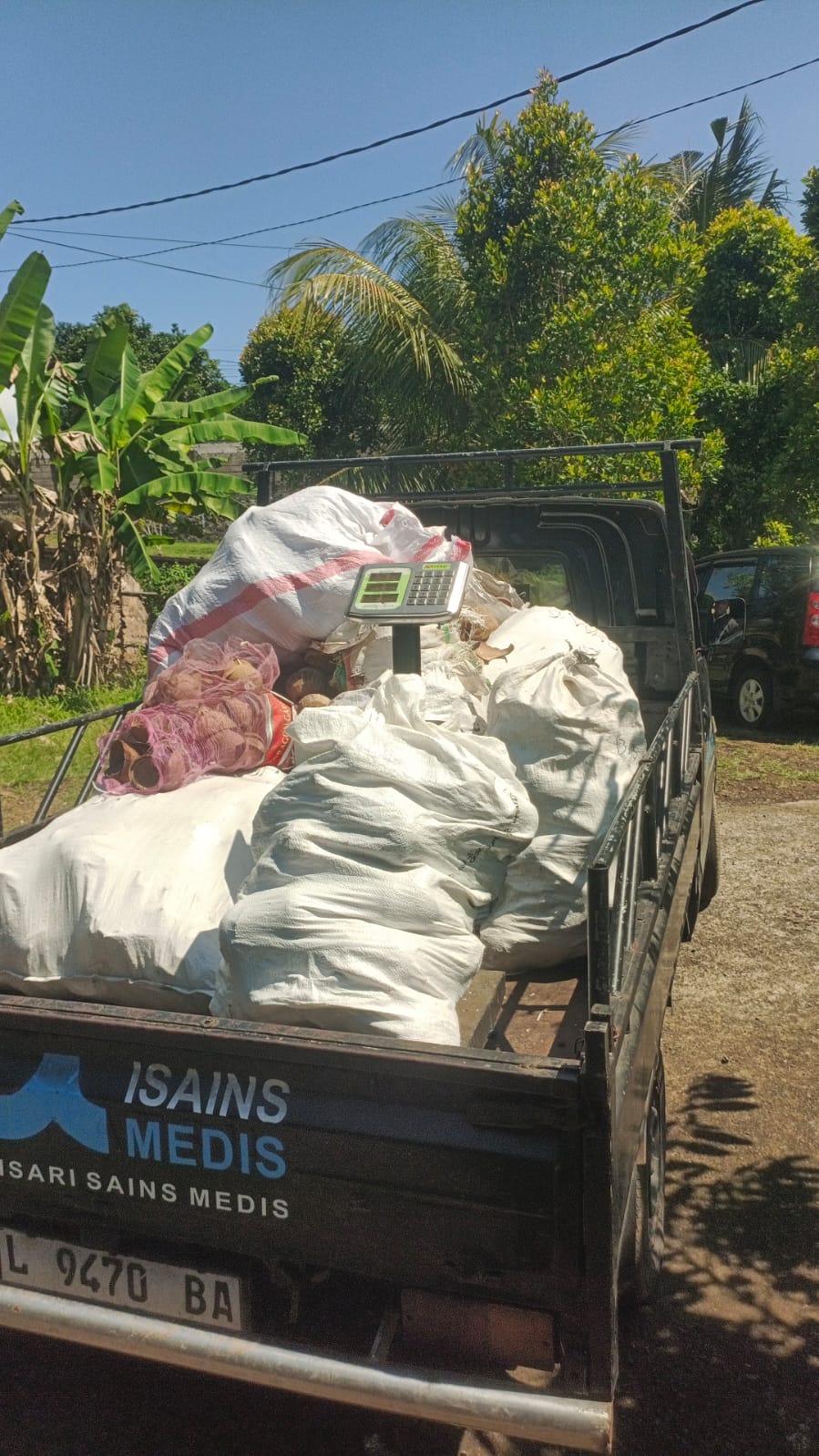
Bali’s larger temples produce staggering volumes of post-ritual biomass. At peak ceremony days, a single pura agung (great temple) can accumulate up to 20 tonnes of organic waste in one day alone. Multiplied across thousands of temples island-wide, this becomes a crisis quietly buried under Bali’s paradise image.
For years, this waste was burned openly, dumped in rivers, or buried — releasing smoke, methane, and toxins into the very environment the ceremonies were meant to protect.
This is where Holy Briquettes began. Not in a laboratory, but at the gates of temples — watching sacred offerings become an environmental burden. We asked: what if the same materials that honour the gods could also power our stoves, restaurants, and communities?
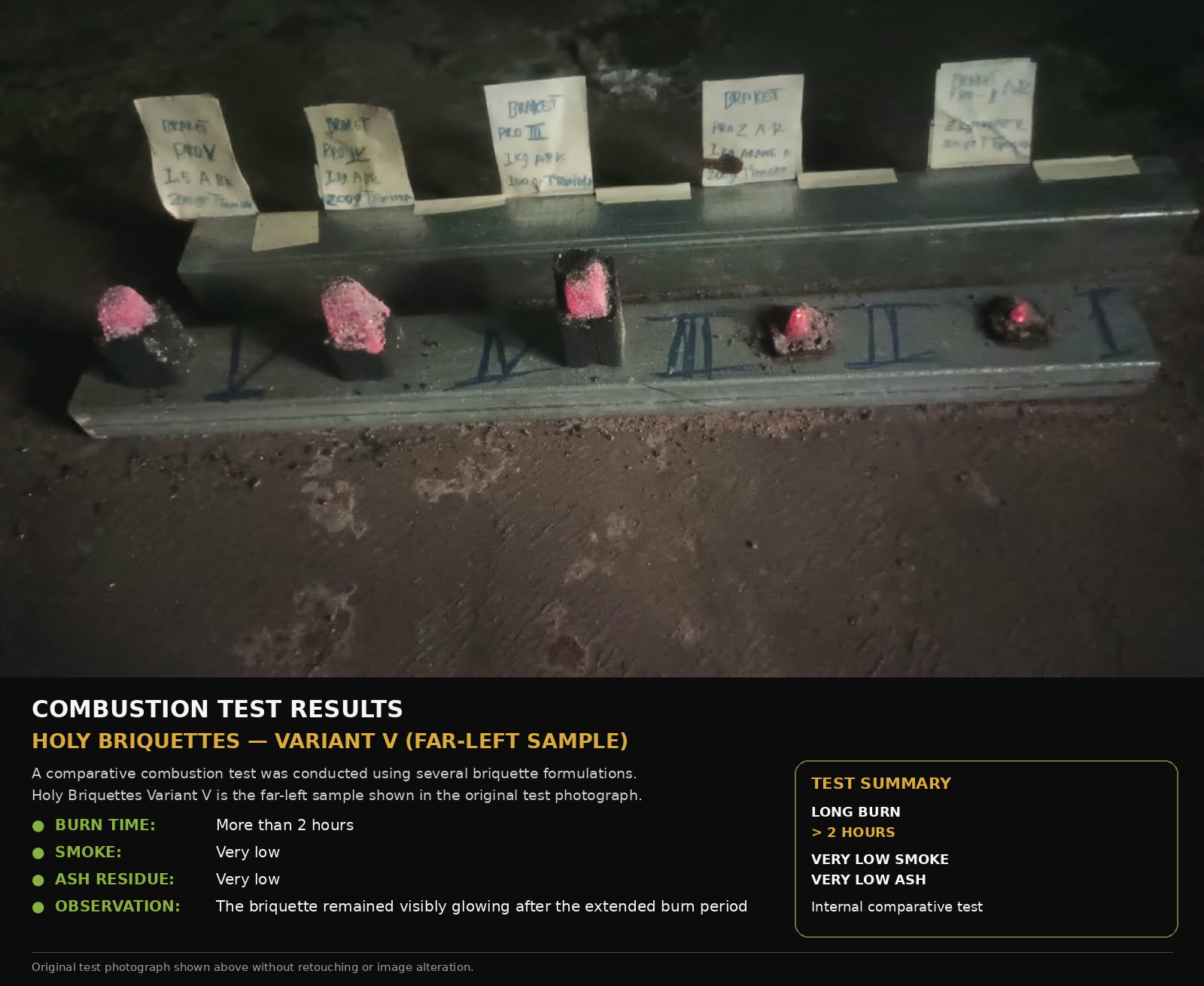
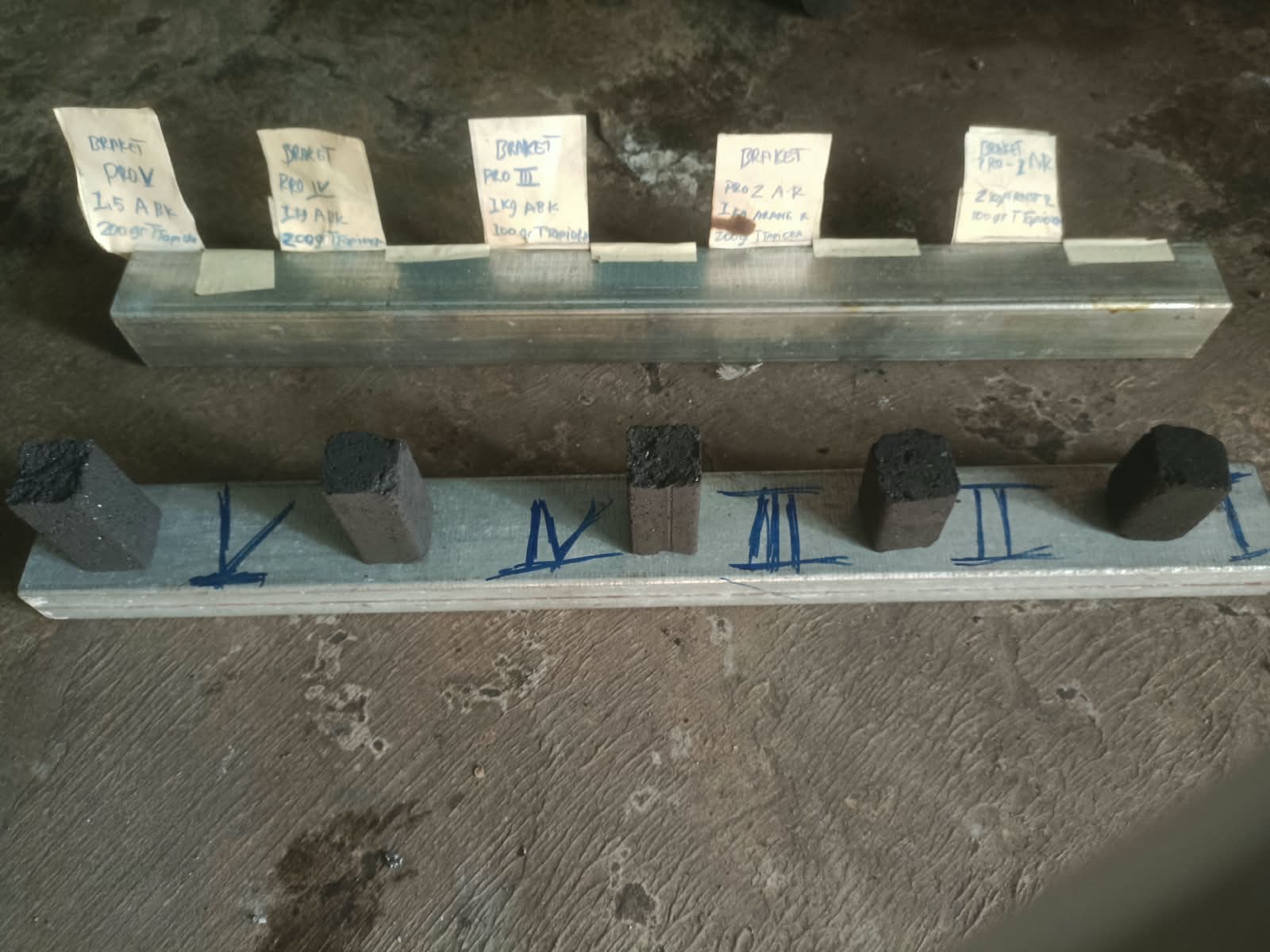
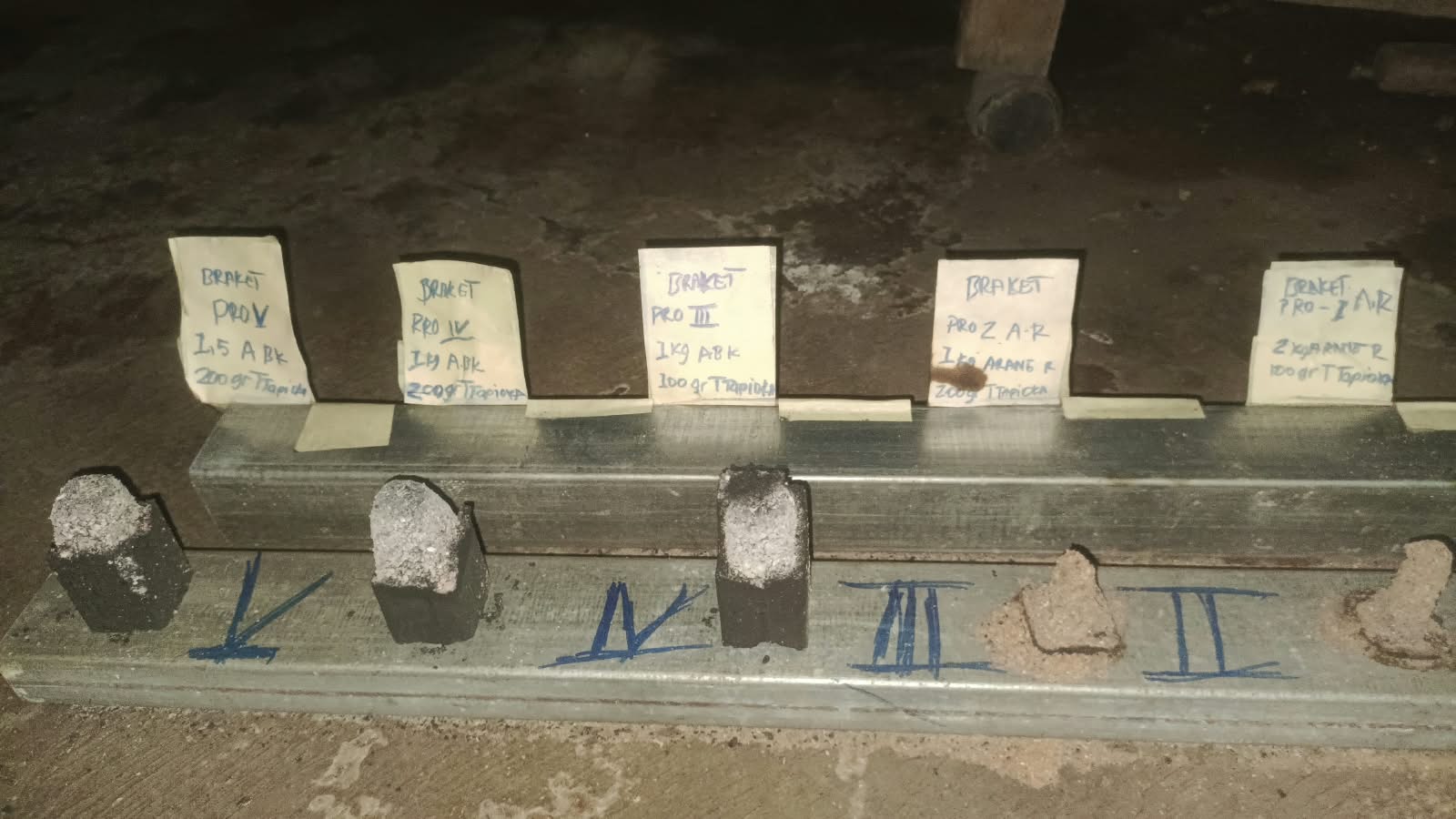
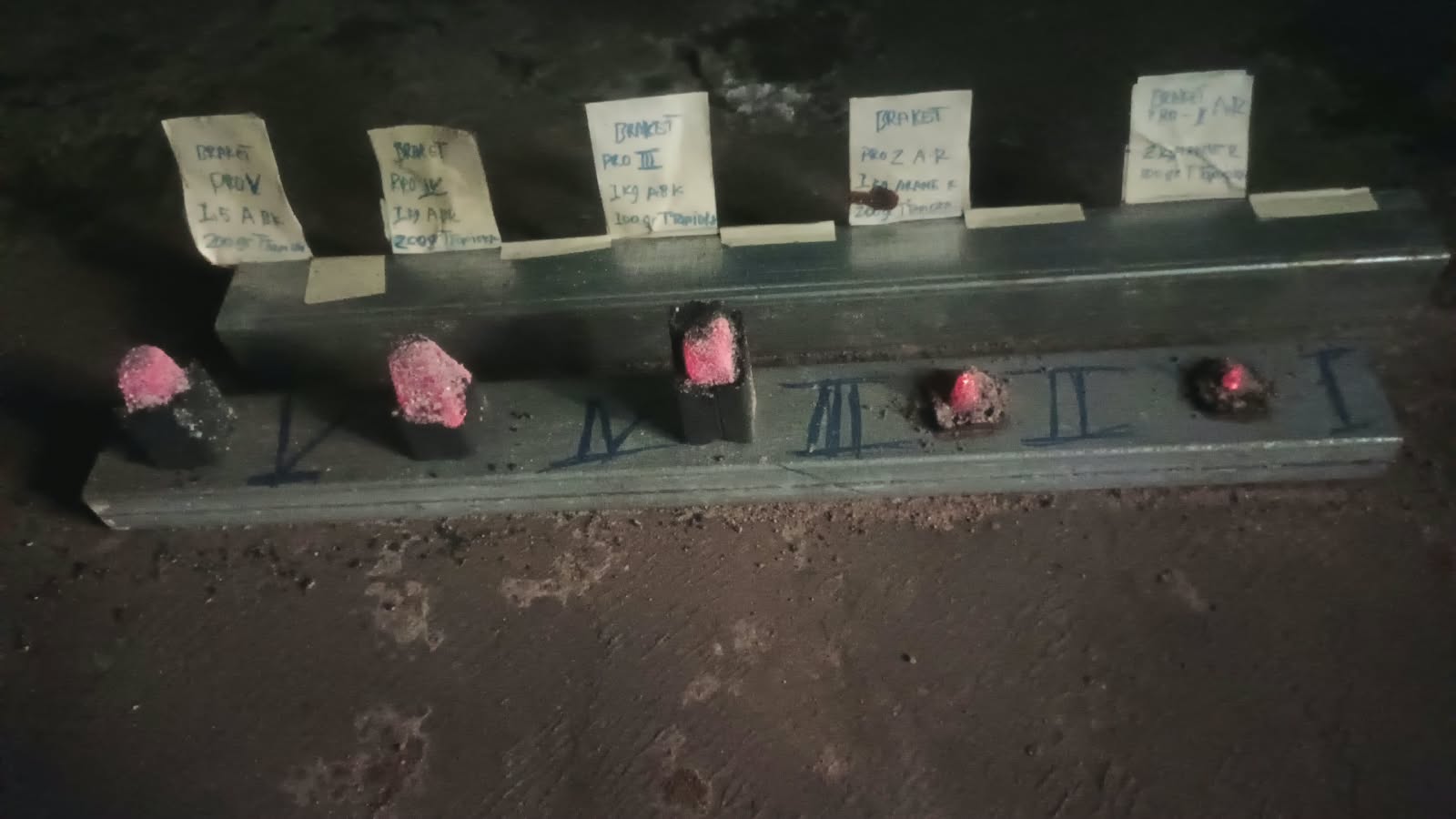
The journey was not easy. Converting ceremonial biomass required years of R&D, working alongside temple communities, farmers, and researchers at Udayana University. Standard charcoal methods failed. We had to innovate.
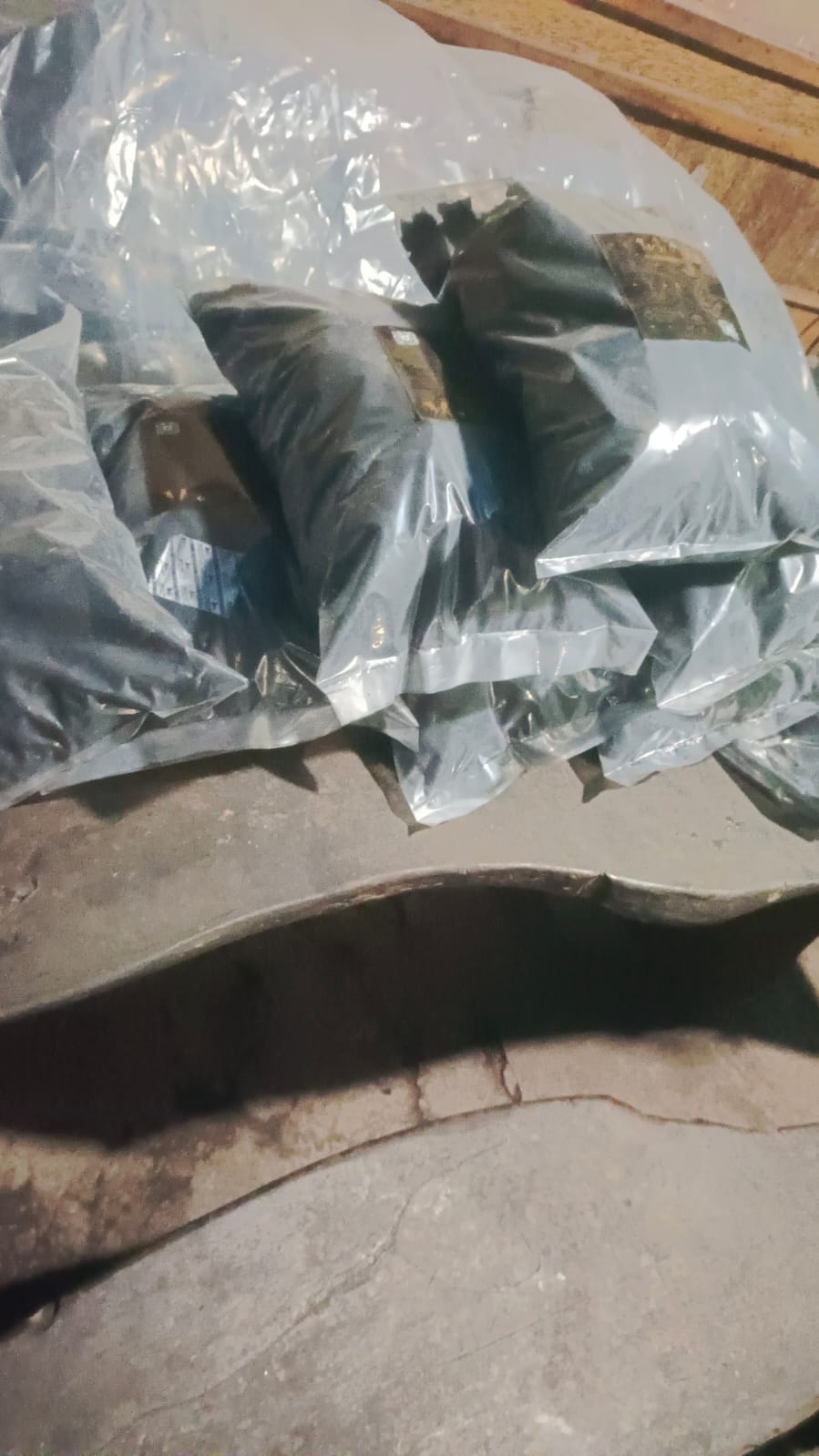
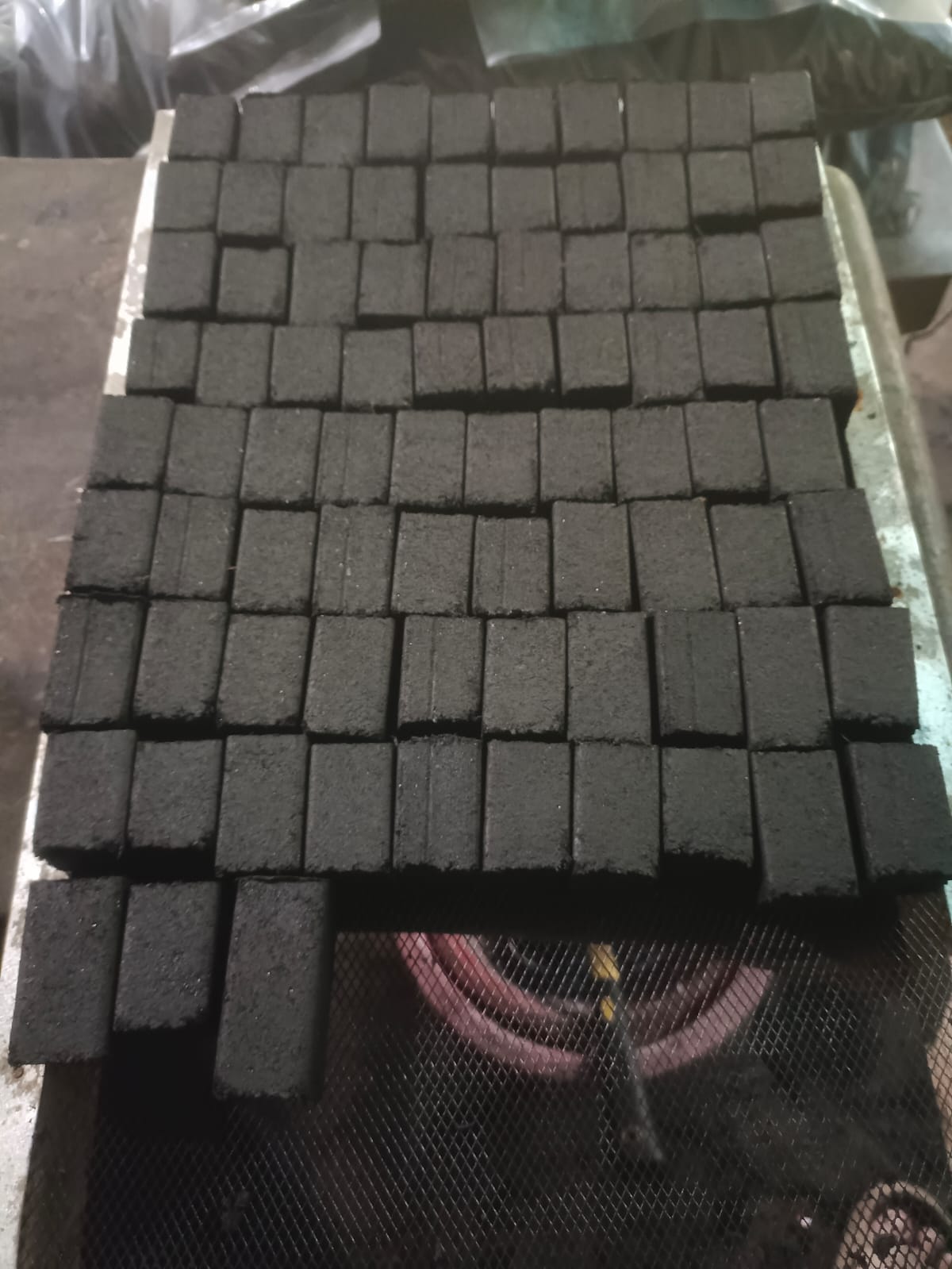
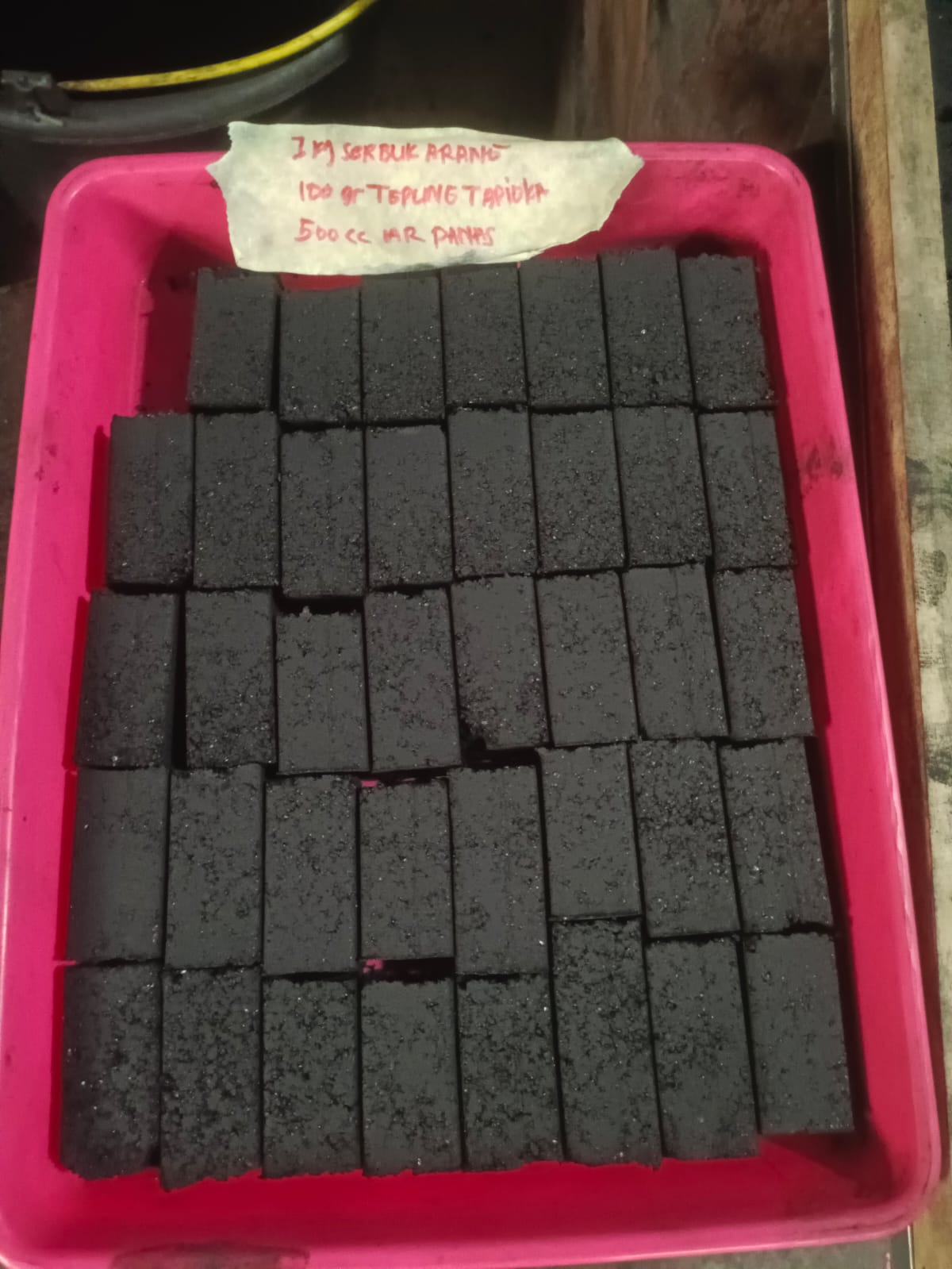
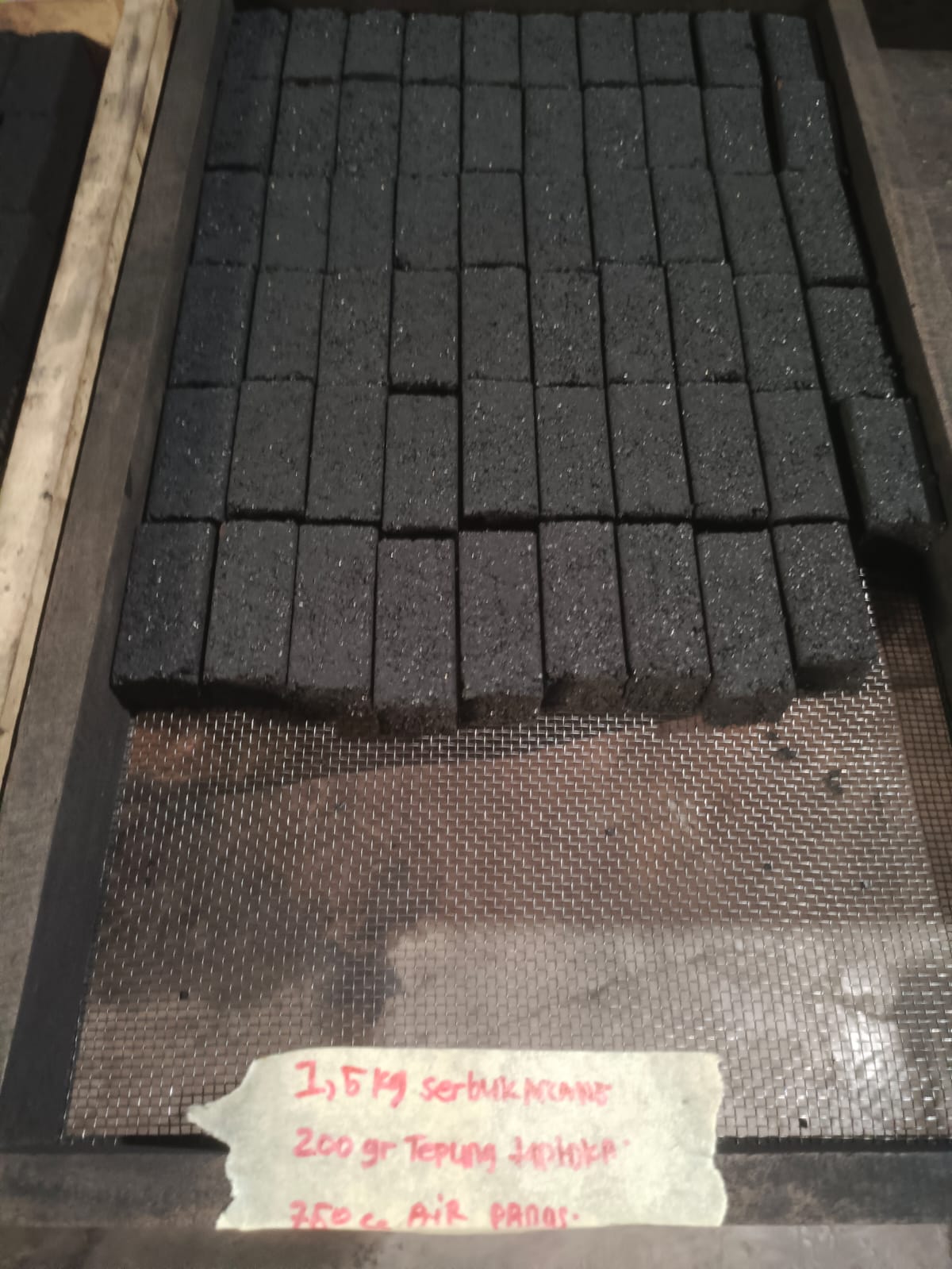
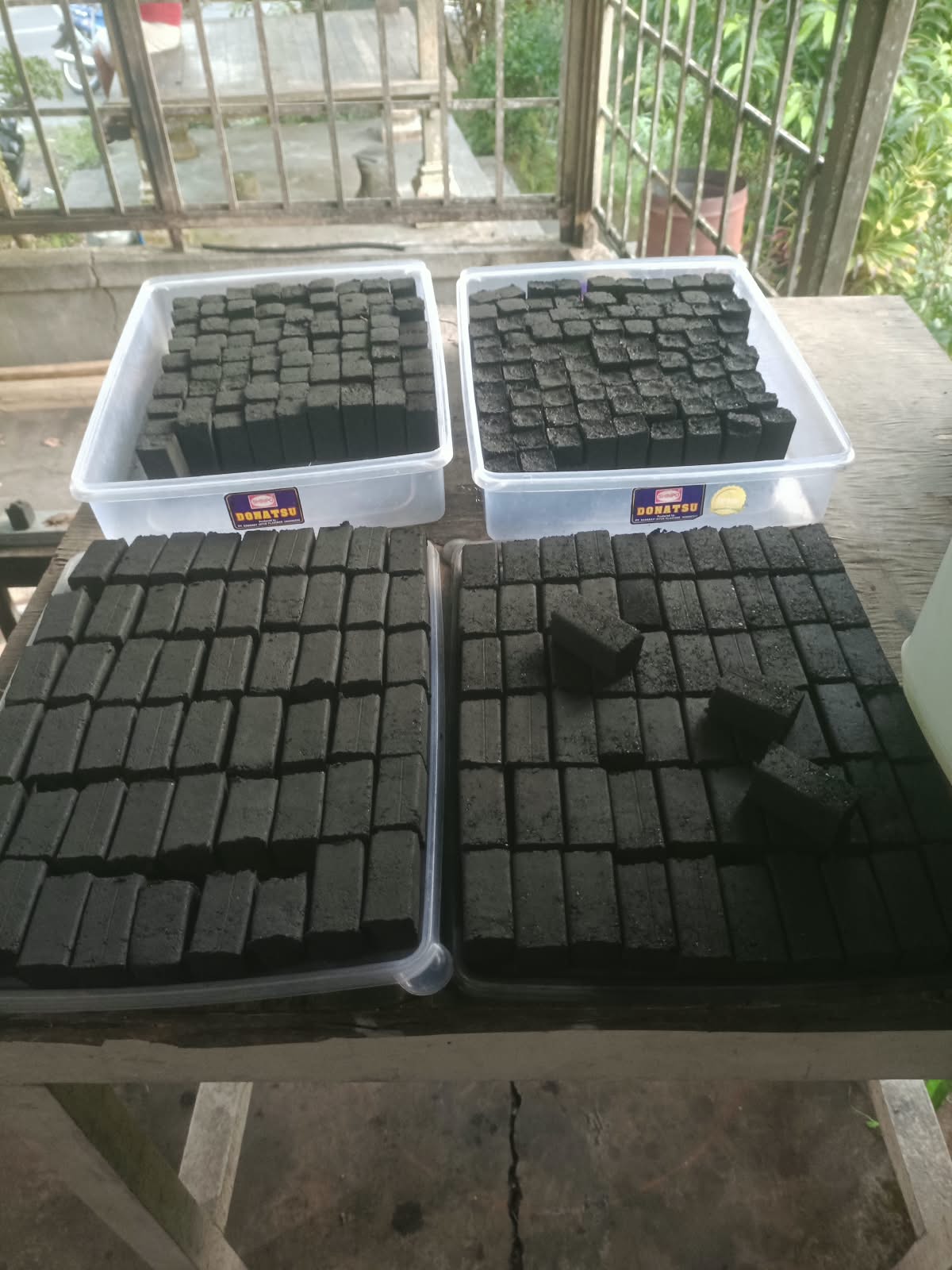
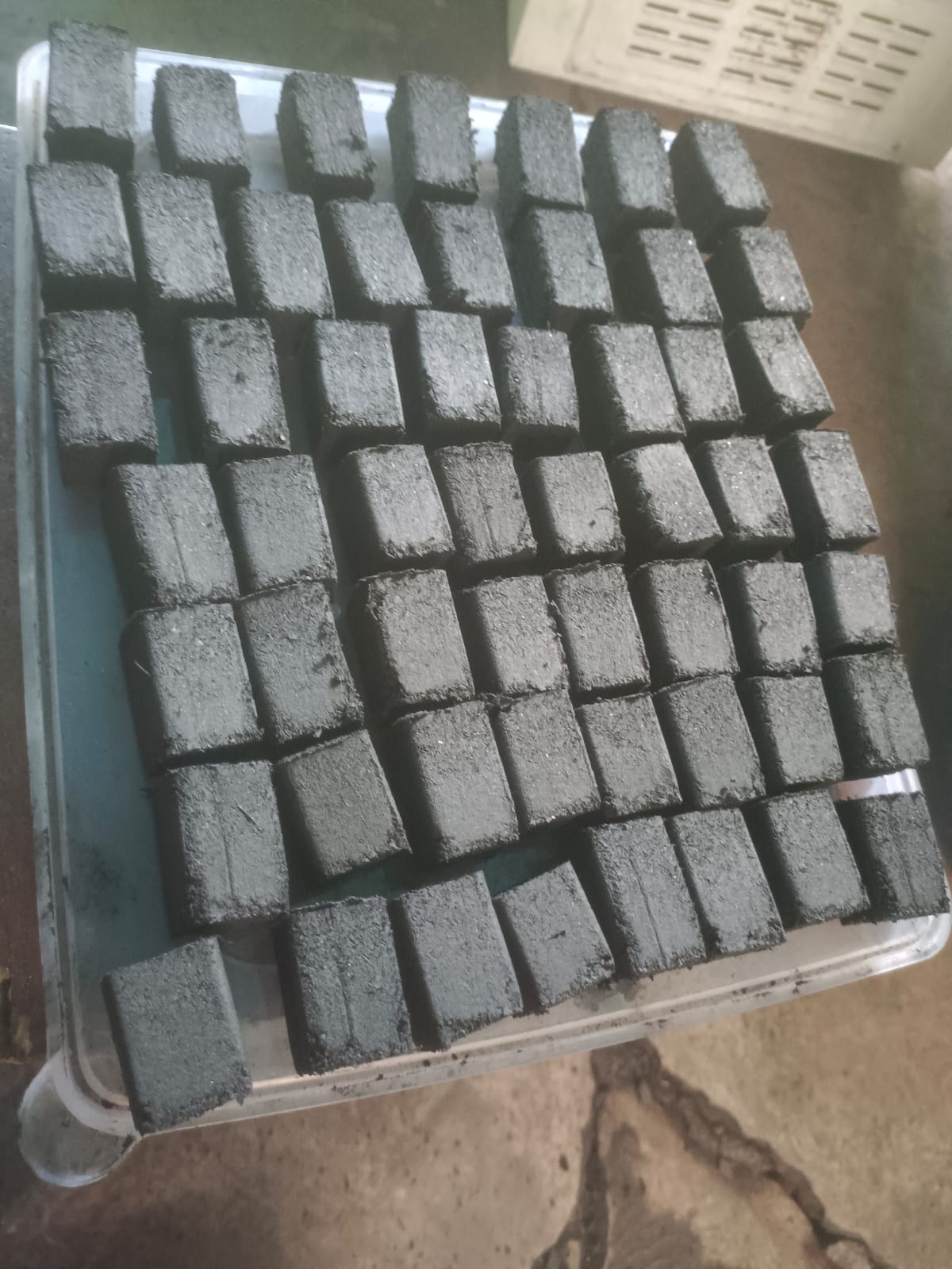
The result was the JASMI Pyrolysis Kiln — a dual-compartment system capable of carbonising mixed ceremonial biomass into consistent, high-quality charcoal. The circle was finally closed: what came from the earth, through ceremony, returns as clean energy.
at a single major temple
across the Island of the Gods
The Road We Walked
.jpeg)